September 12th, 2024
Jonah Paquette, PsyD
Welcome to this week's Three Good Things, my newsletter where I share 3 ideas, resources, findings, or skills related to happiness and well-being.
Each week, I focus on a specific theme drawn from the science of happiness, including concepts like awe, gratitude, social connection, managing burnout, mindfulness, and much more.
This week's newsletter is focused on depression and in particular some unique and encouraging findings that have emerged recently when it comes to understanding and treating depression. If you or anyone you know has struggled with depression, you don't need me to tell you how devastating it can be. The individual and societal tolls are immense, and worse yet, the number of people struggling with depression only continues to rise. While some of this may be due to decreased stigma and a willingness to admit more openly that we're in pain, most research indicates a real underlying rise in depression within the United States. There are many culprits for this -- record levels of loneliness, the impact of technology and media, our diets/lifestyle, environmental stressors, political strife, and economic inequality, to name but a few. Over the past decade alone, we've seen a dramatic increase in the number of people struggling with depression, accelerated by the recent pandemic, with no end in sight.
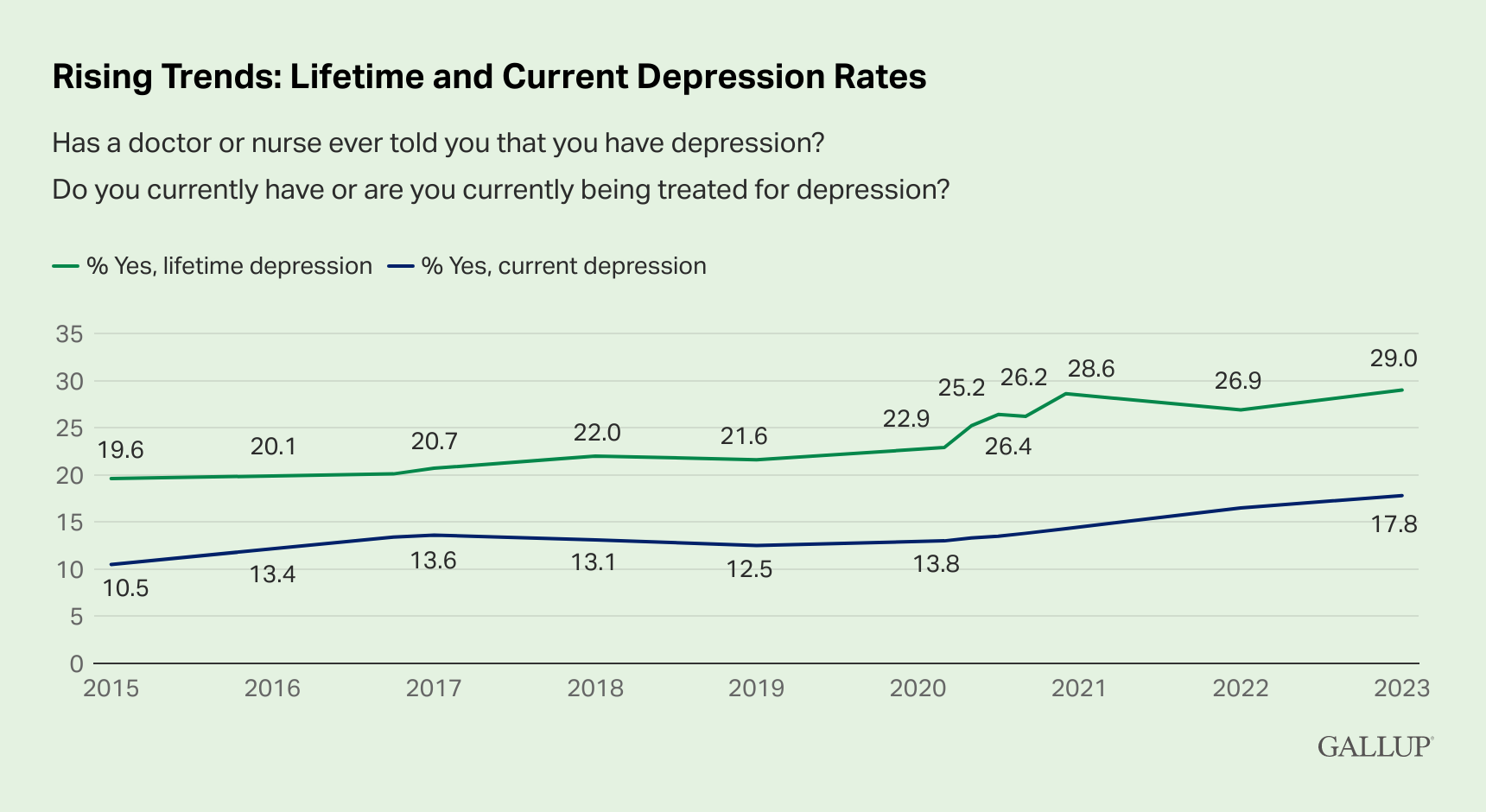
The good news is that depression is treatable. Whether through psychotherapy, medication, or lifestyle changes, many people find relief from their suffering. But help is hard to come by...psychiatrists are often booked out for months, many therapists are maxed out as well, and it can be hard even to know where to start sometimes. So this week I thought I'd share a few recent (and encouraging) findings related to treating depression that don't fall under the umbrella of therapy or medications (though of course, sometimes we do need those sorts of treatment, and none of this is to suggest otherwise).
And so with that, here are this week's Three Good Things:
- First off this week, I wanted to share this interesting meta-analysis of the impact of physical exercise on depression. In it, researchers looked at 218 unique studies (spanning over 14,000 participants) and found that exercise was an effective treatment for reducing depressive symptoms. In particular, they found that walking, jogging, yoga, and strength training were especially effective. So in addition to other well-accepted treatments for depression, we'll hopefully see exercise and physical activity-based interventions continue to be encouraged as a frontline treatment for depression.

2. In addition to physical exercise, another promising area in the treatment of depression lies in nature-based interventions. Another recent meta-analysis looked at various studies (28 in all) to gauge the effectiveness of nature-based interventions for both depression and physical health. Overall, nature-based interventions were shown to have moderate to high effects on depression scores and improvements in physical health outcomes as well. So getting out to a green space, even a nearby local park, can help boost our mood, calm our stress, and combat feelings of depression. No wonder some countries around the world are starting to prescribe national park passes for those struggling with depression!

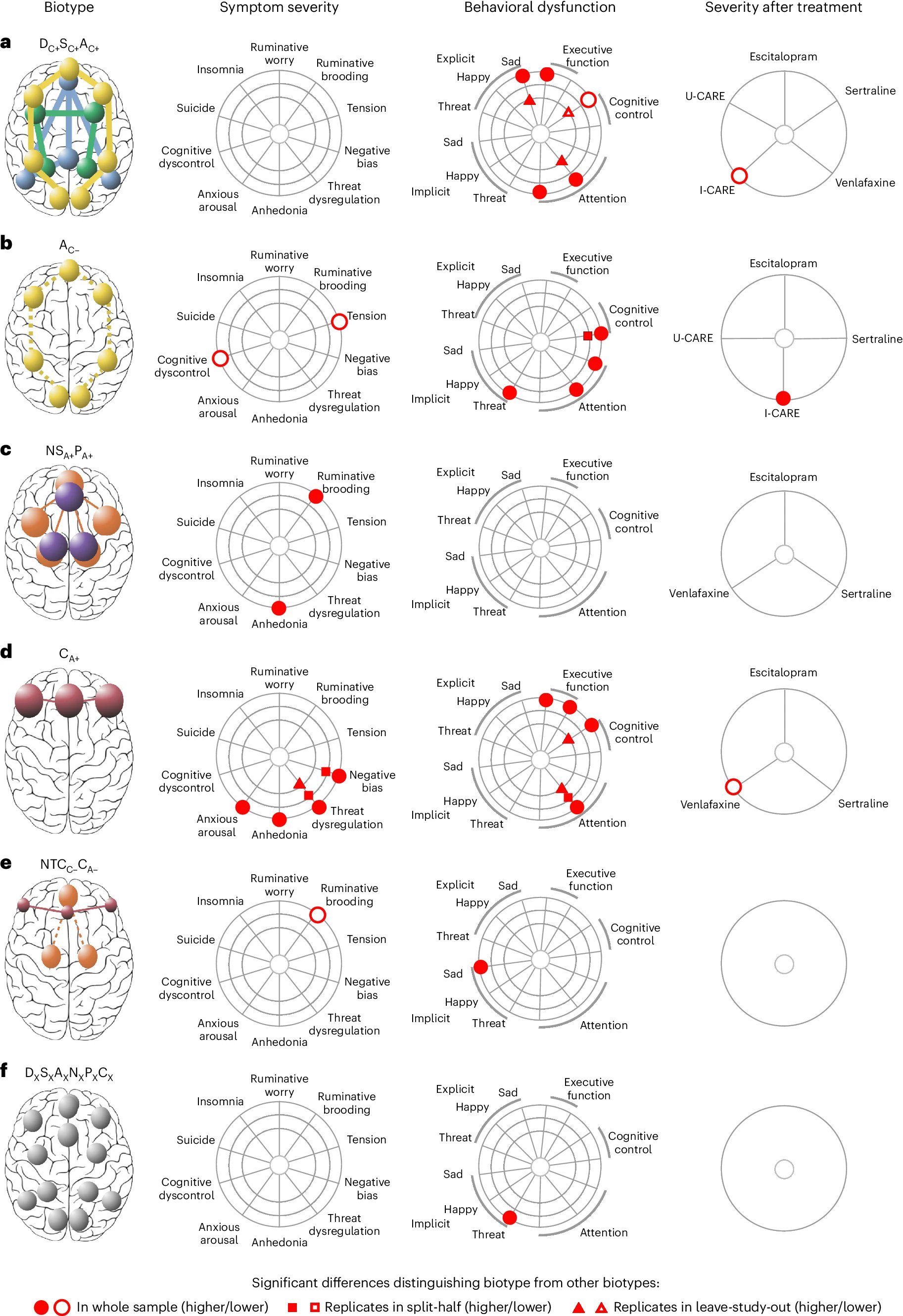
3. Lastly, here's a truly fascinating bit of research that recently emerged from Stanford University. Using brain imaging and machine learning, researchers were able to identify 6 different subtypes of depression along with recommendations on which subtypes were more likely to benefit from therapy versus medication versus other interventions. One of the challenging aspects of depression is how different it can look in different people. One person might be sleeping too much, while the next can't sleep at all. One person might be lethargic and sedentary, while the other is agitated. And one person might lose their appetite completely, while the next overeats. On and on. This complexity of course begs the question of whether depression is in fact one single unified illness, or rather a complex syndrome with multiple pathways and causes. My money has always been on the latter, and studies like this offer support for this framework. Check out the full study for more details. But in the meantime, let's hope that this research continues to be pushed along. In the future, we'll hopefully be able to have a much better understanding of a person's individual depressive illness, and be able to offer tailored interventions that offer a better chance of success.
Stay in touch!
Thanks so much for being part of my newsletter, and I look forward to sharing more fun updates with you each week here. I'd also love to connect with you on social media (links below at the bottom of the page), and share a few fun resources with you in the meantime!
- If you're interested in my books, check out Happily Even After and Awestruck.
- Click here for my TEDx talk on the power of Awe.
- Click here for my TEDx talk on Gratitude & Mindfulness.
- Click here to check out my speaker reel, and here to book me as a speaker for your next event.
- Click here to check out my online course offerings.
- And of course check out my website for more information about my work.
Thanks so much for joining me!
Until next time,
Jonah